![]()
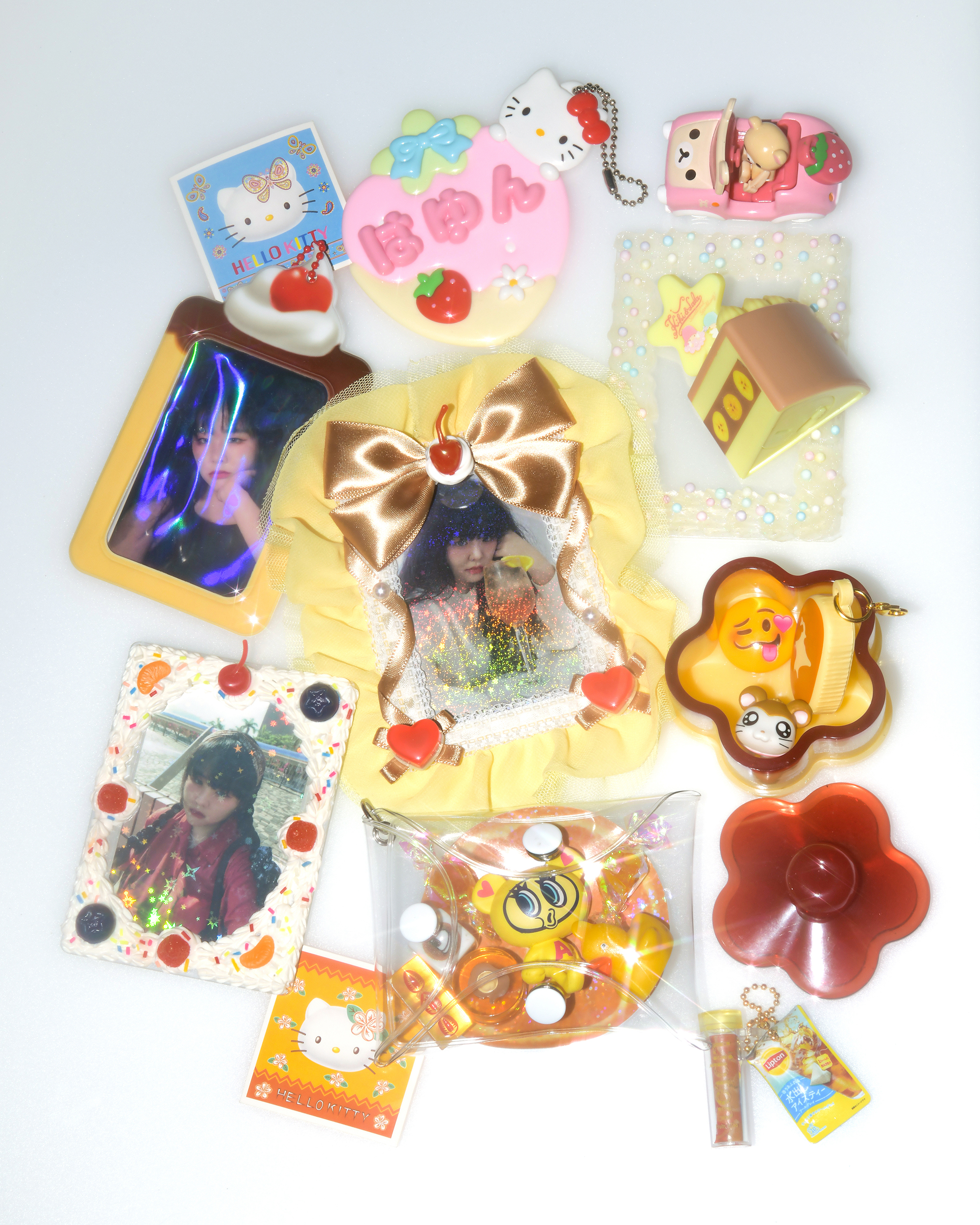
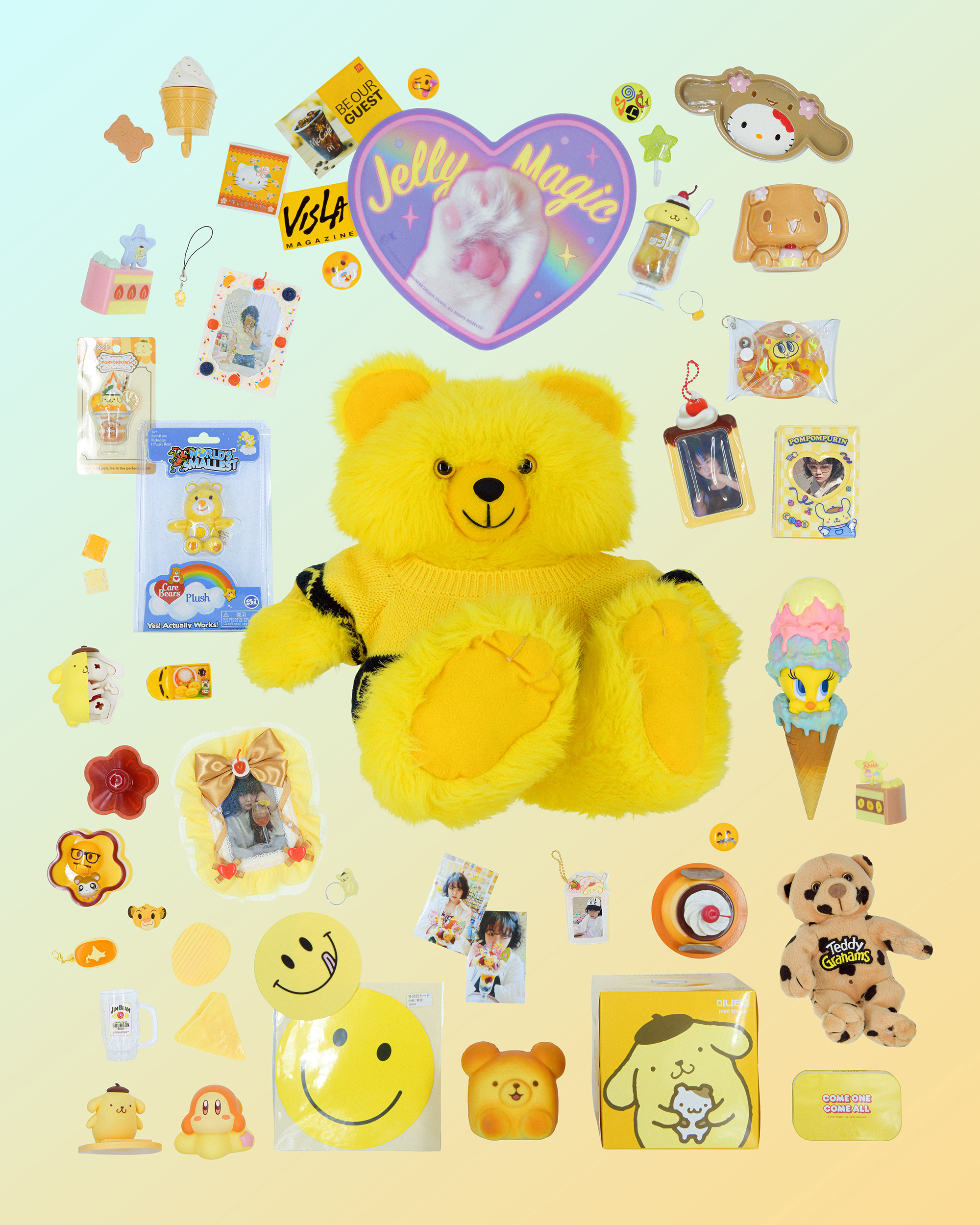
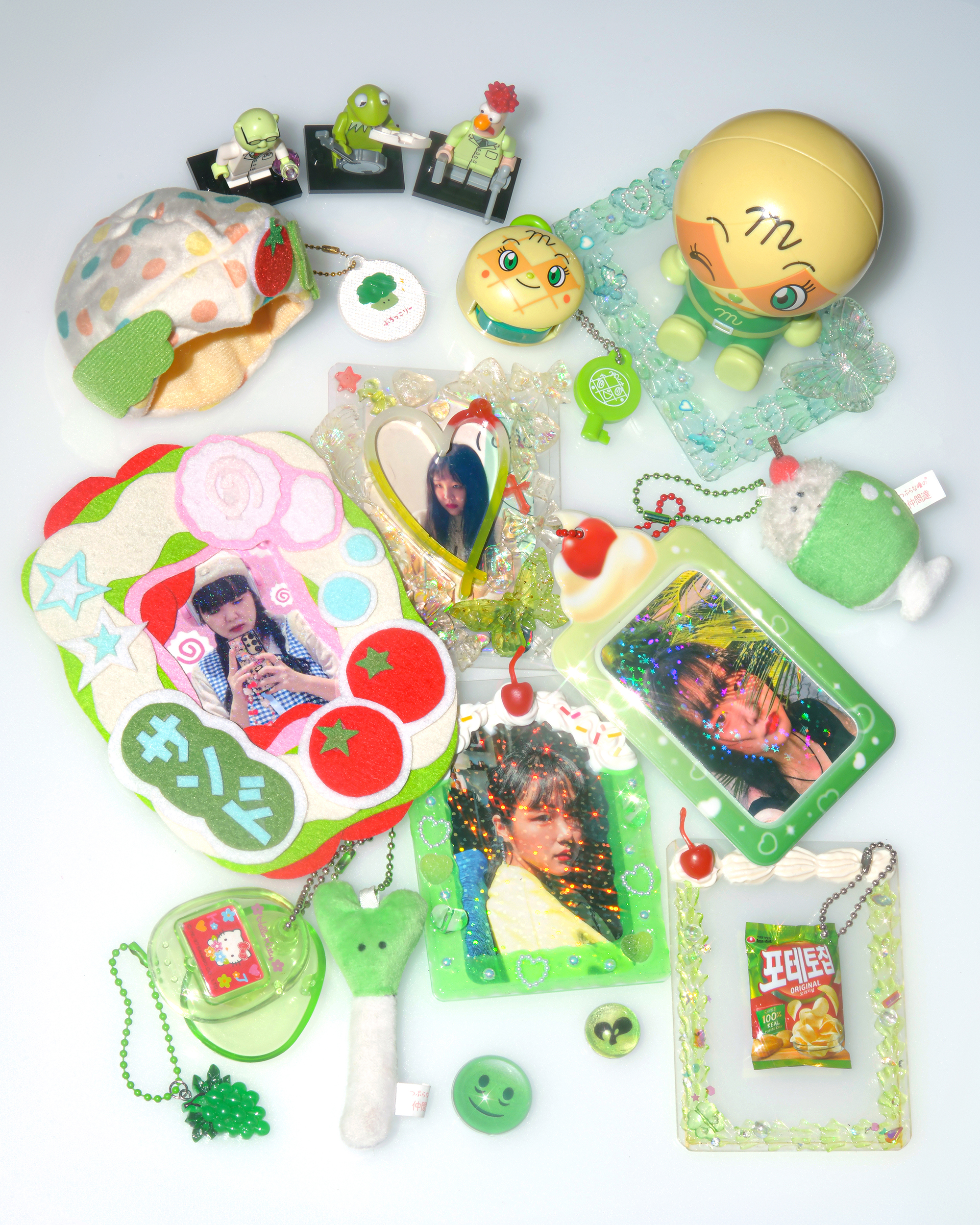
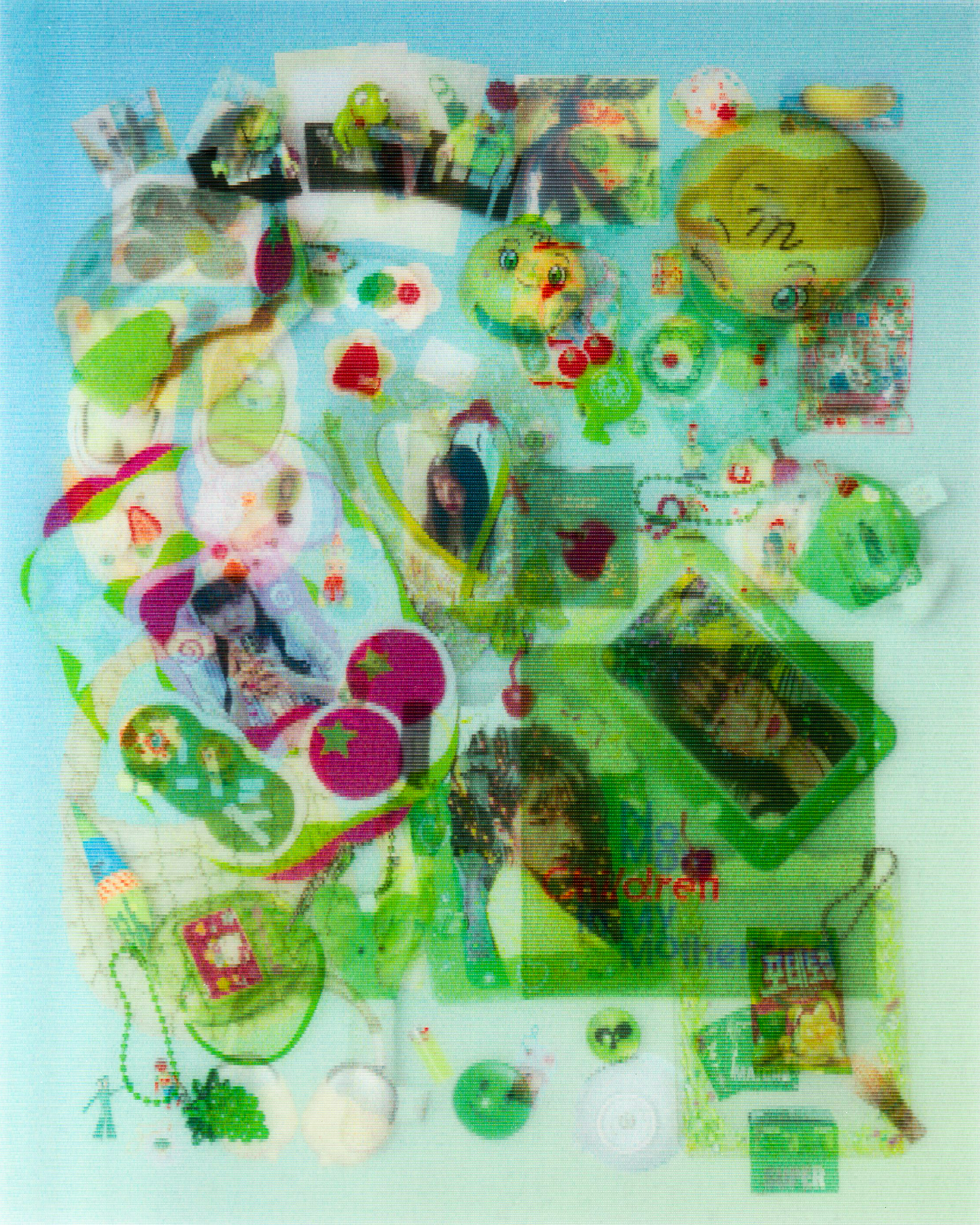
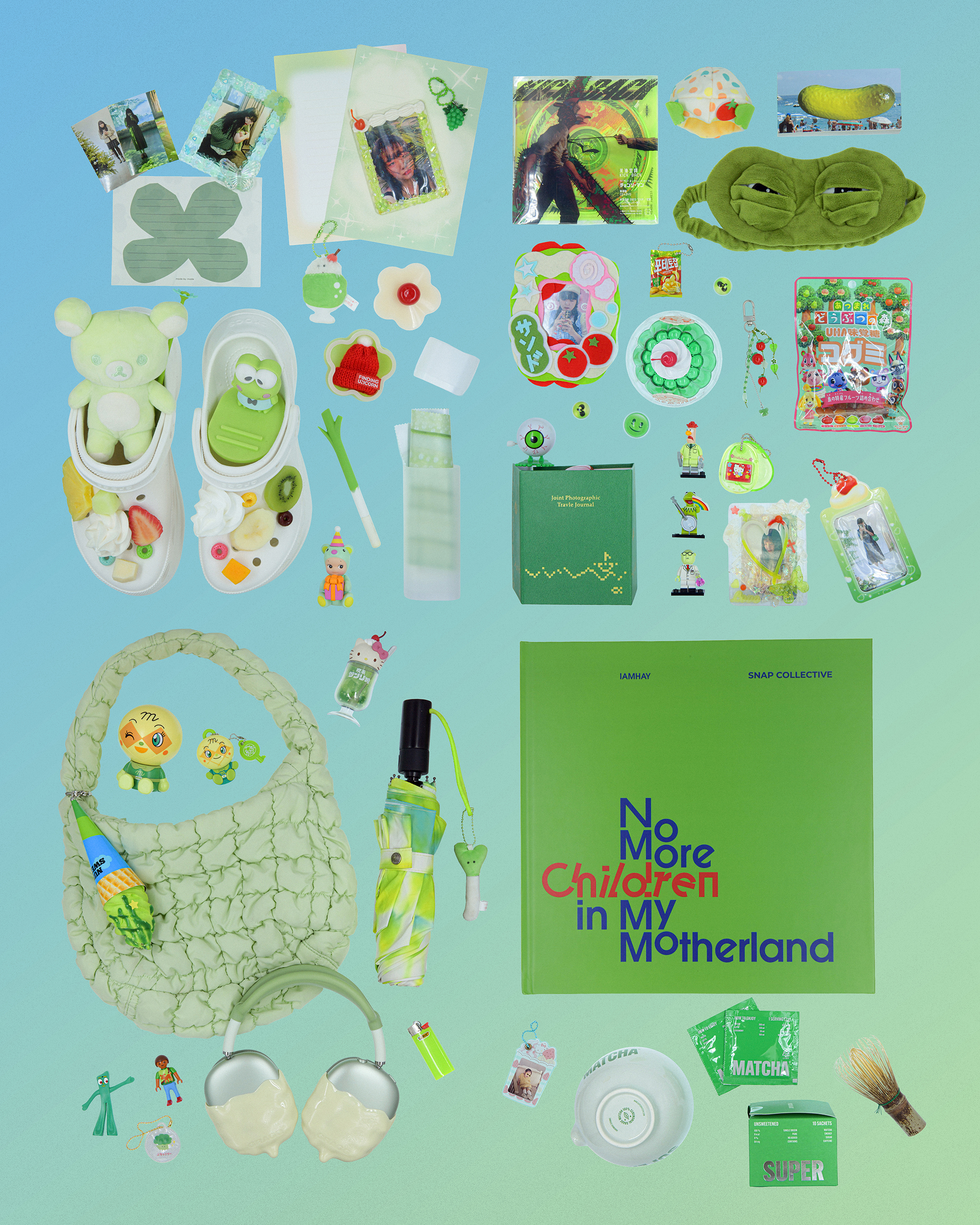
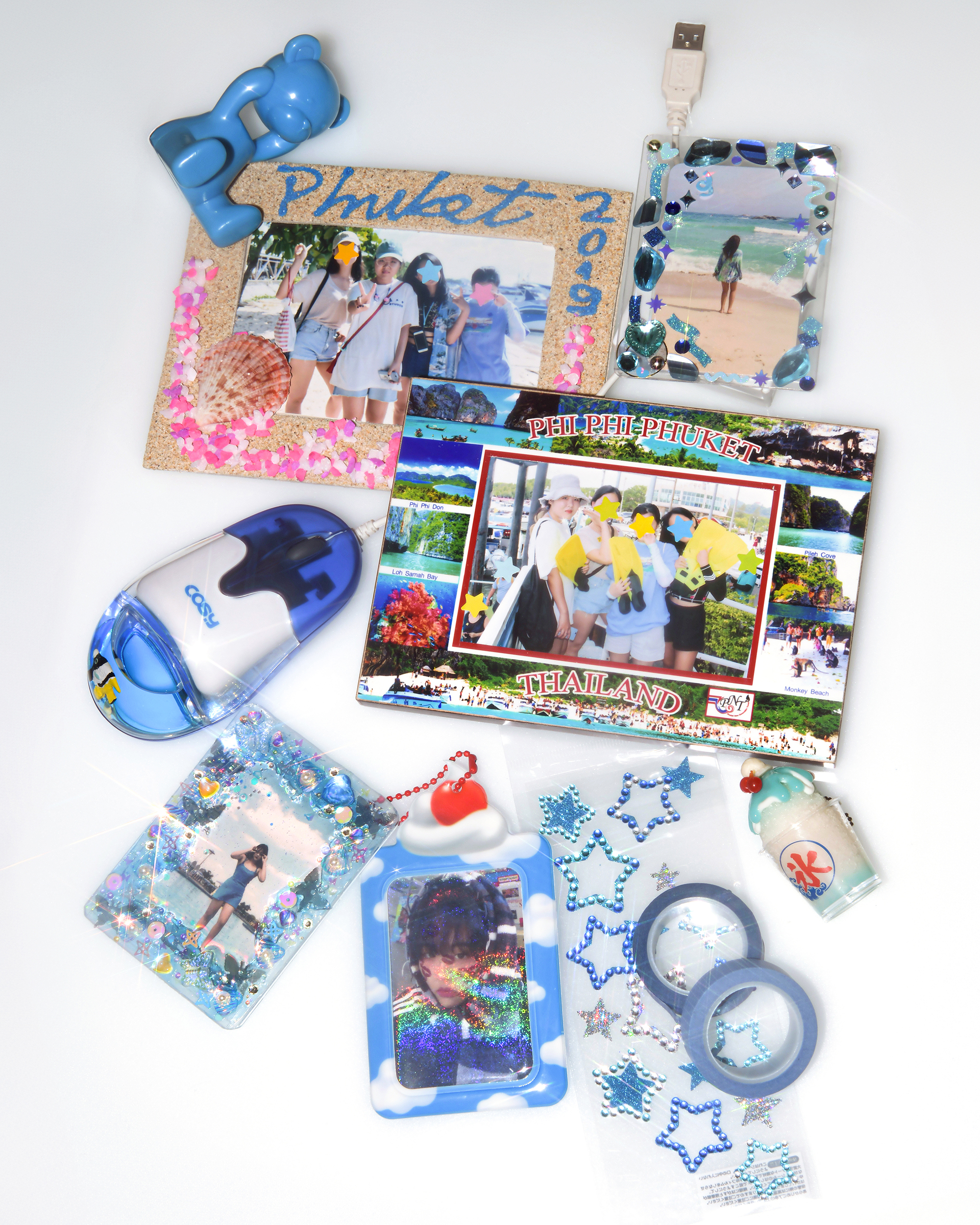
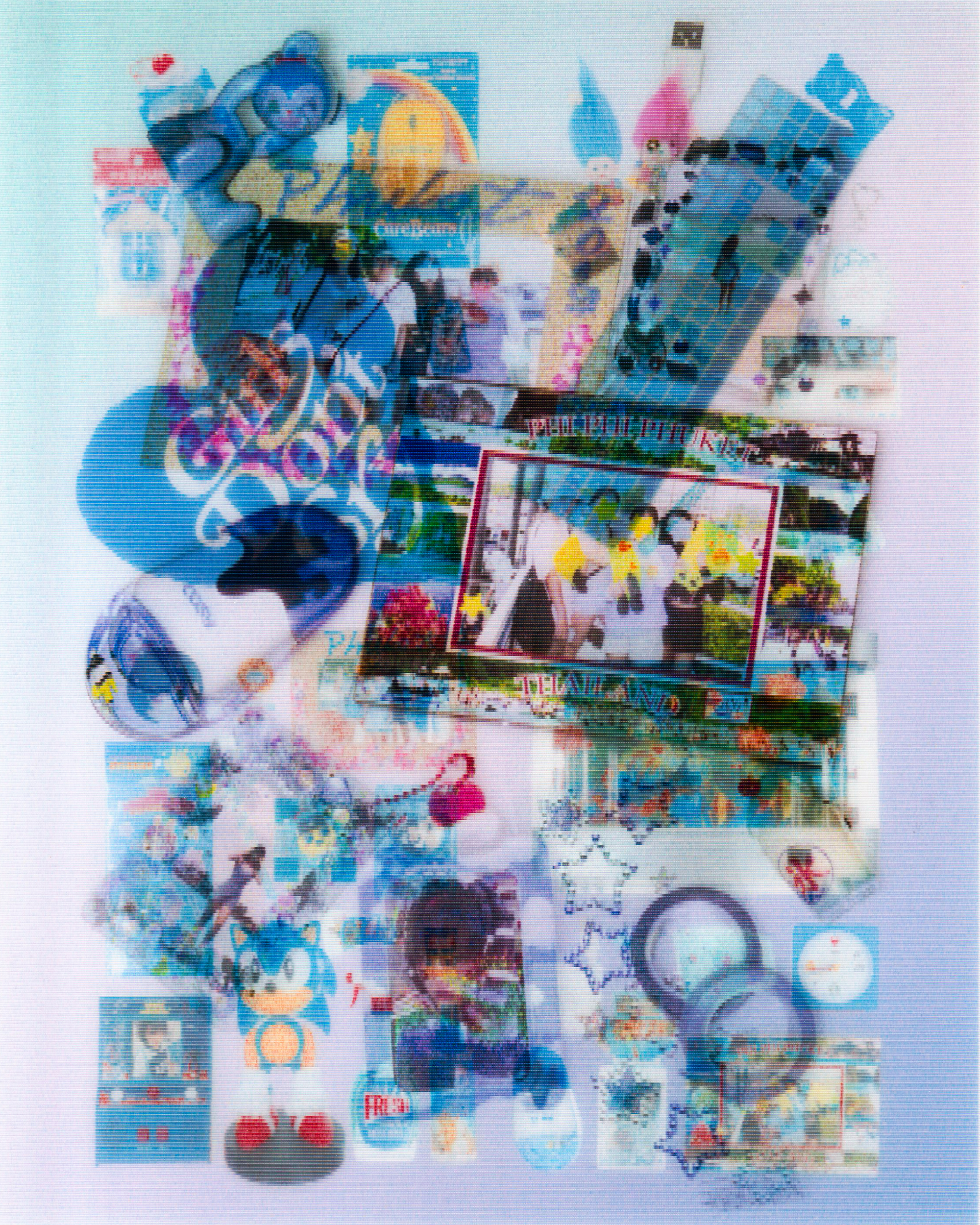
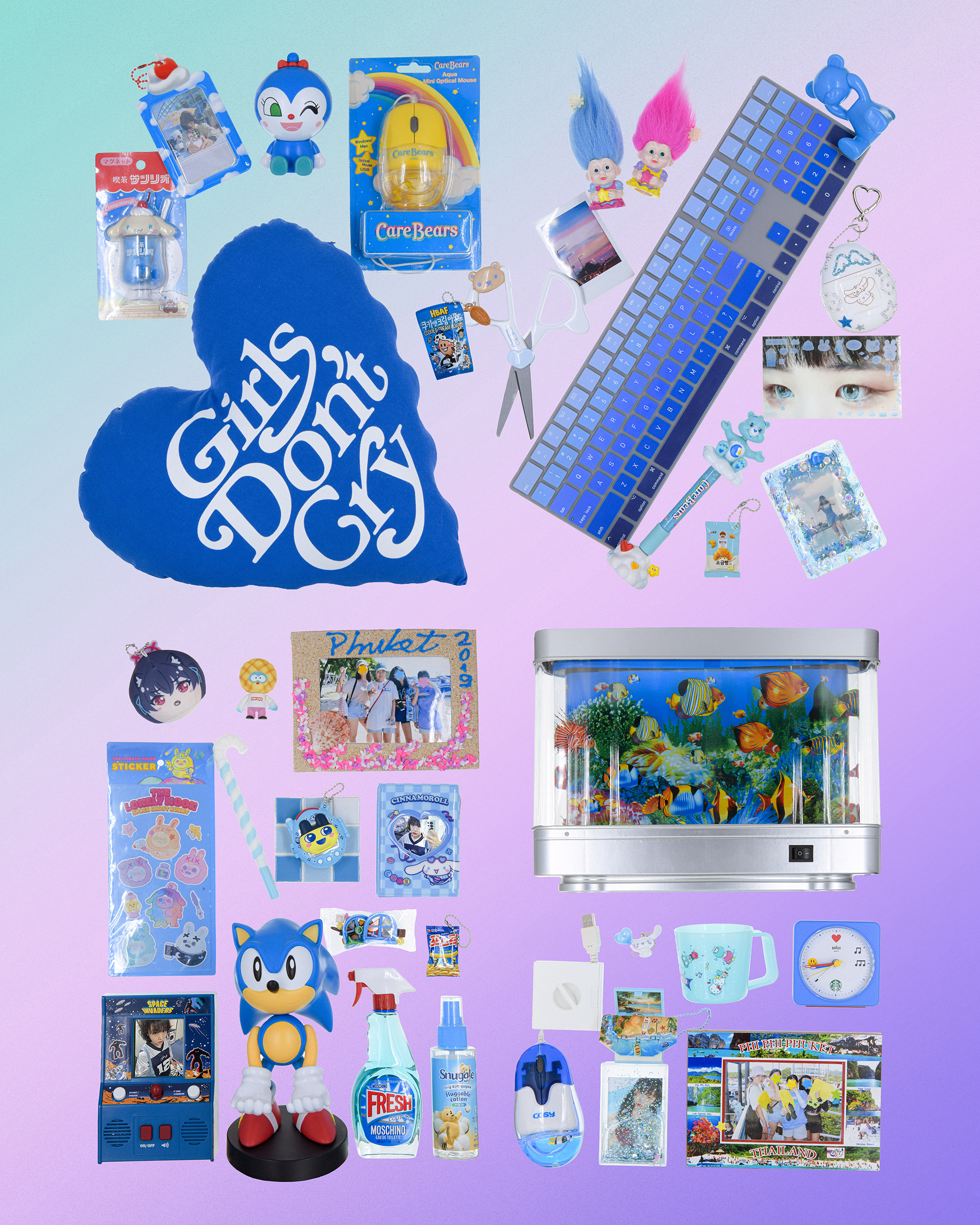
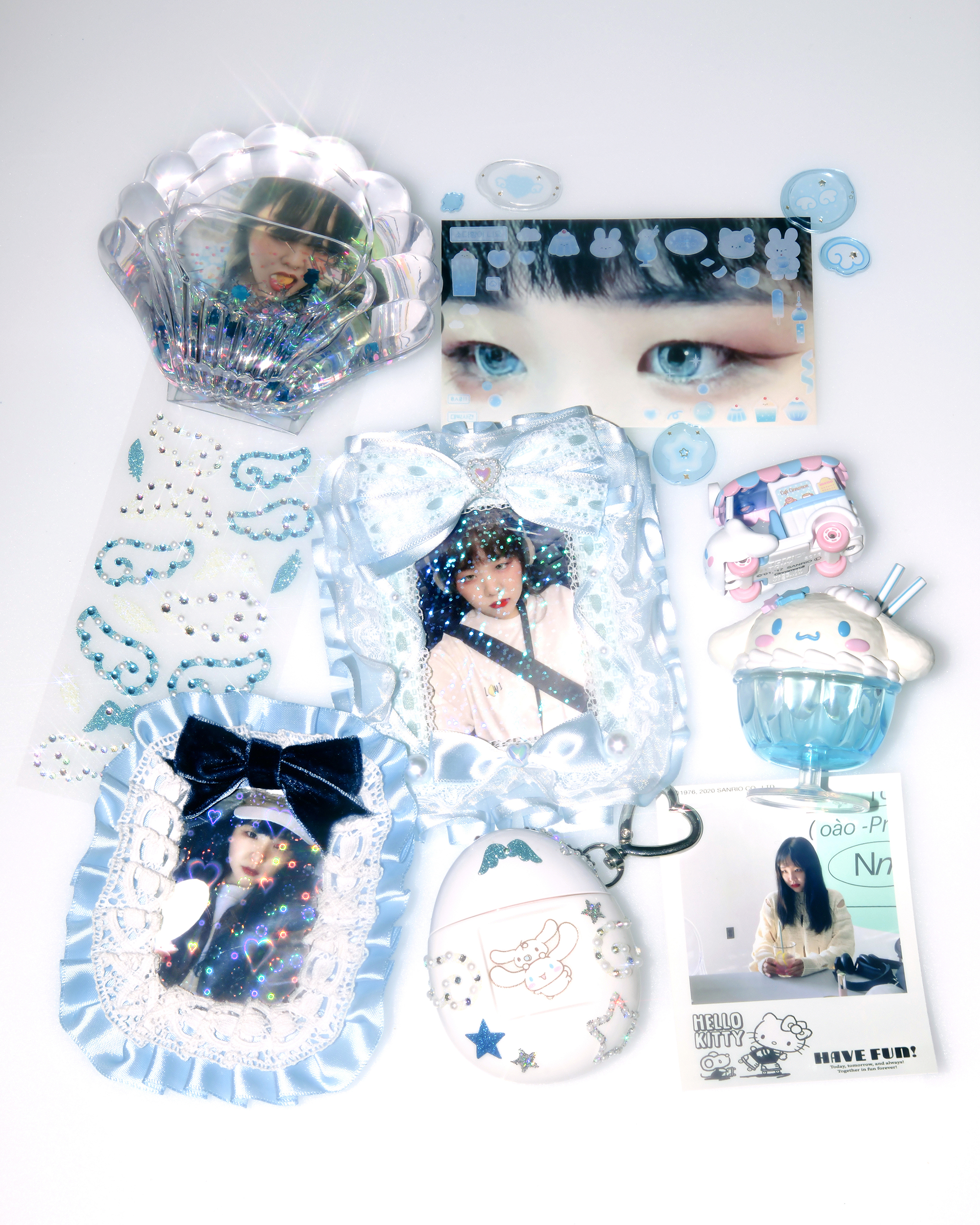
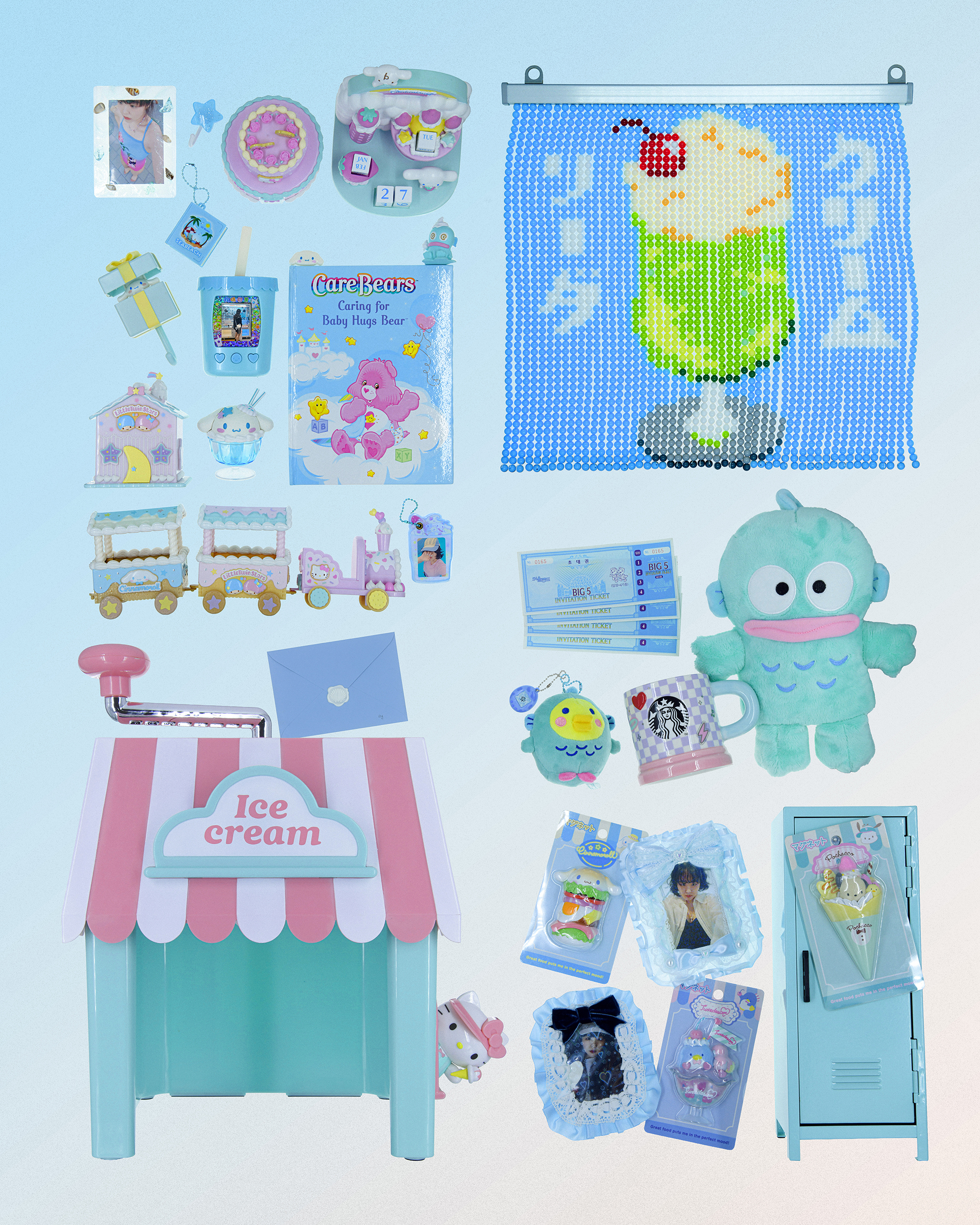
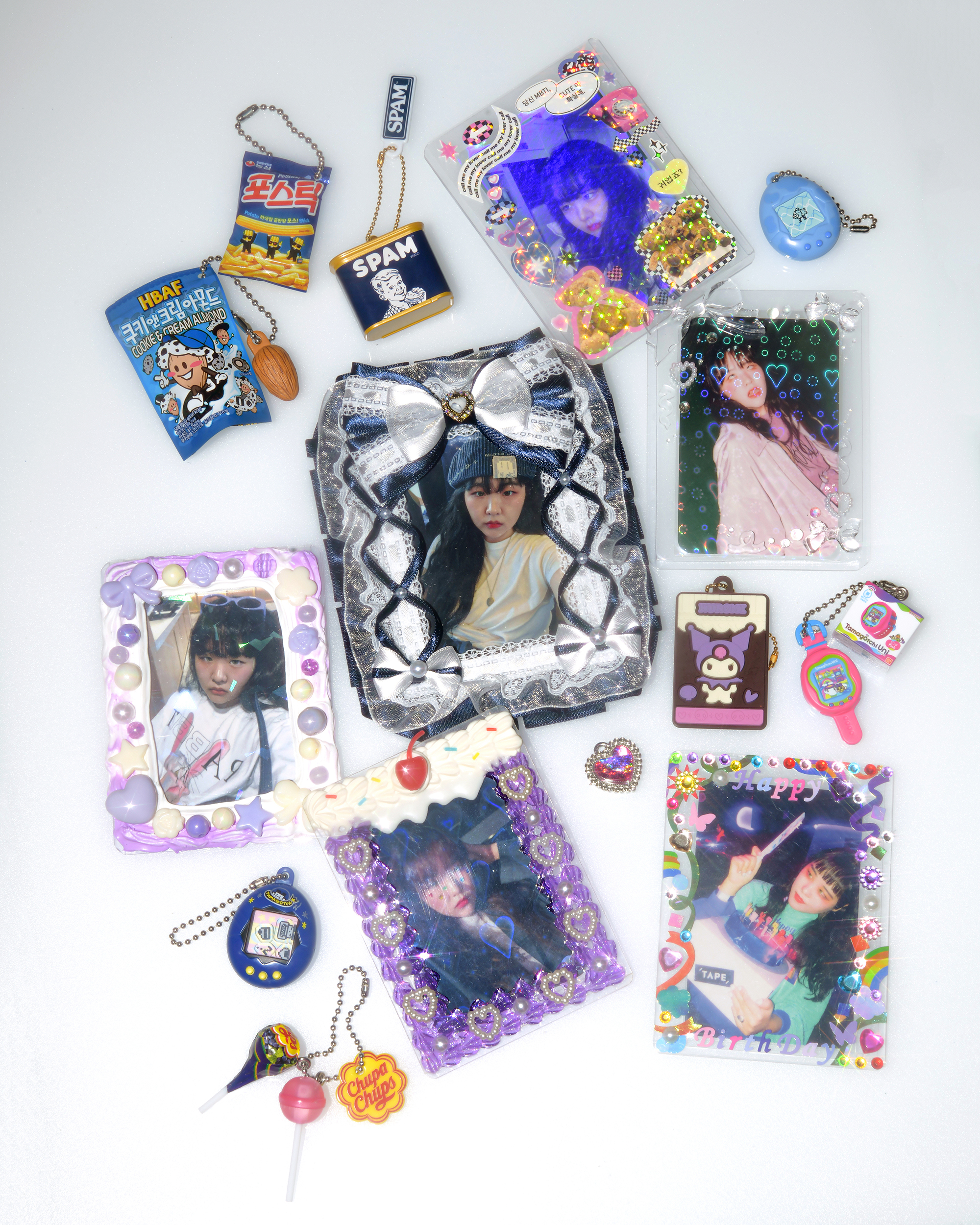
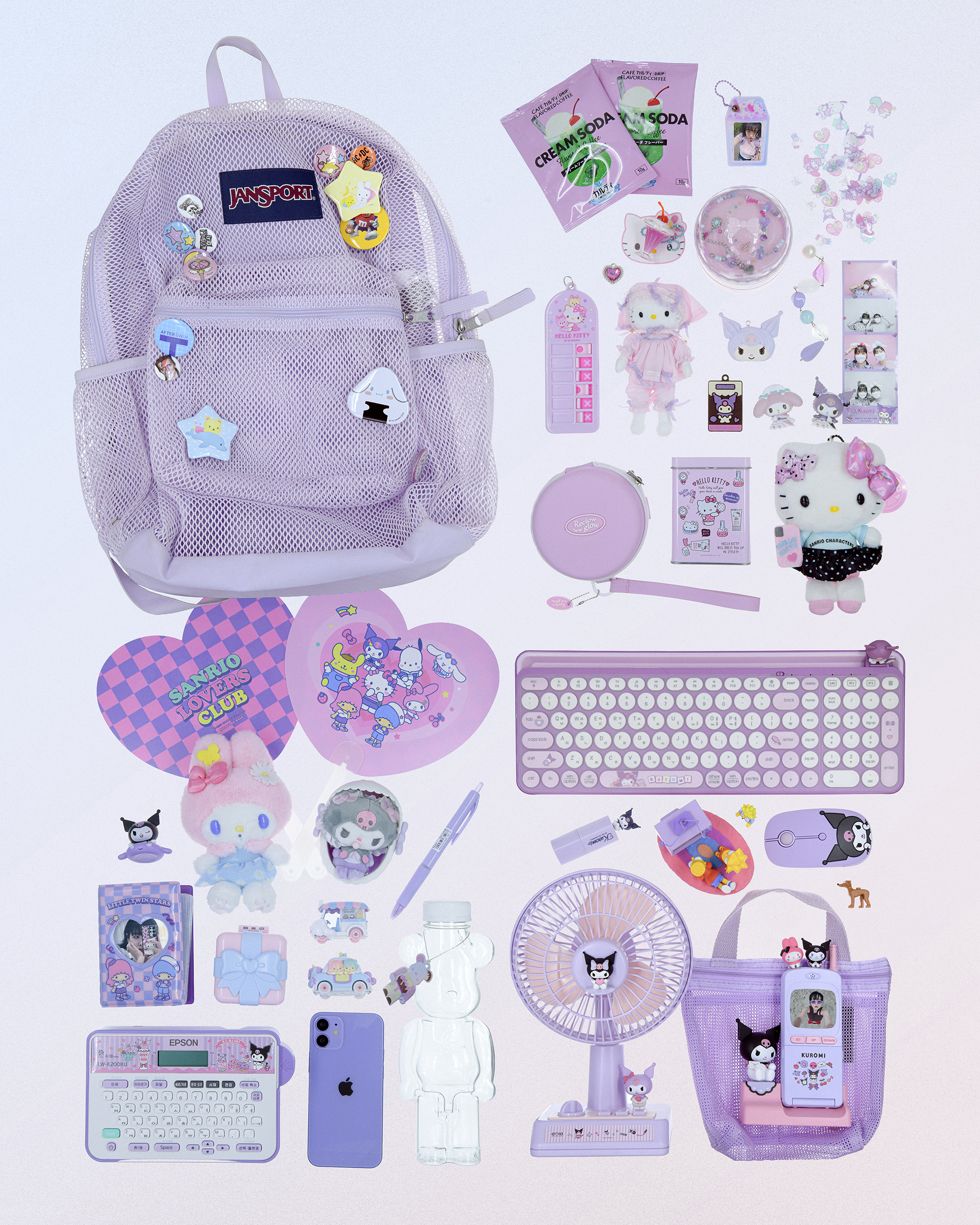
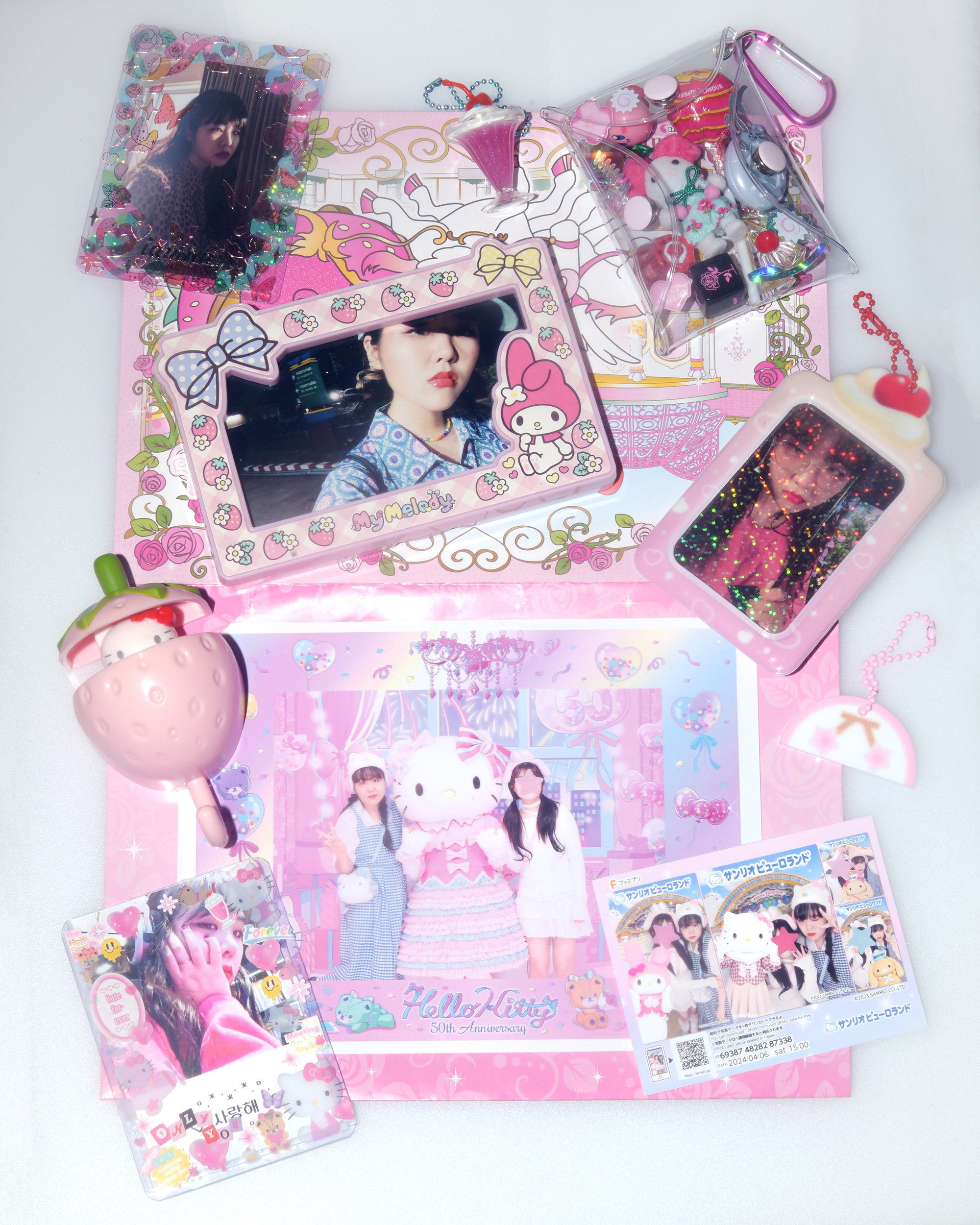
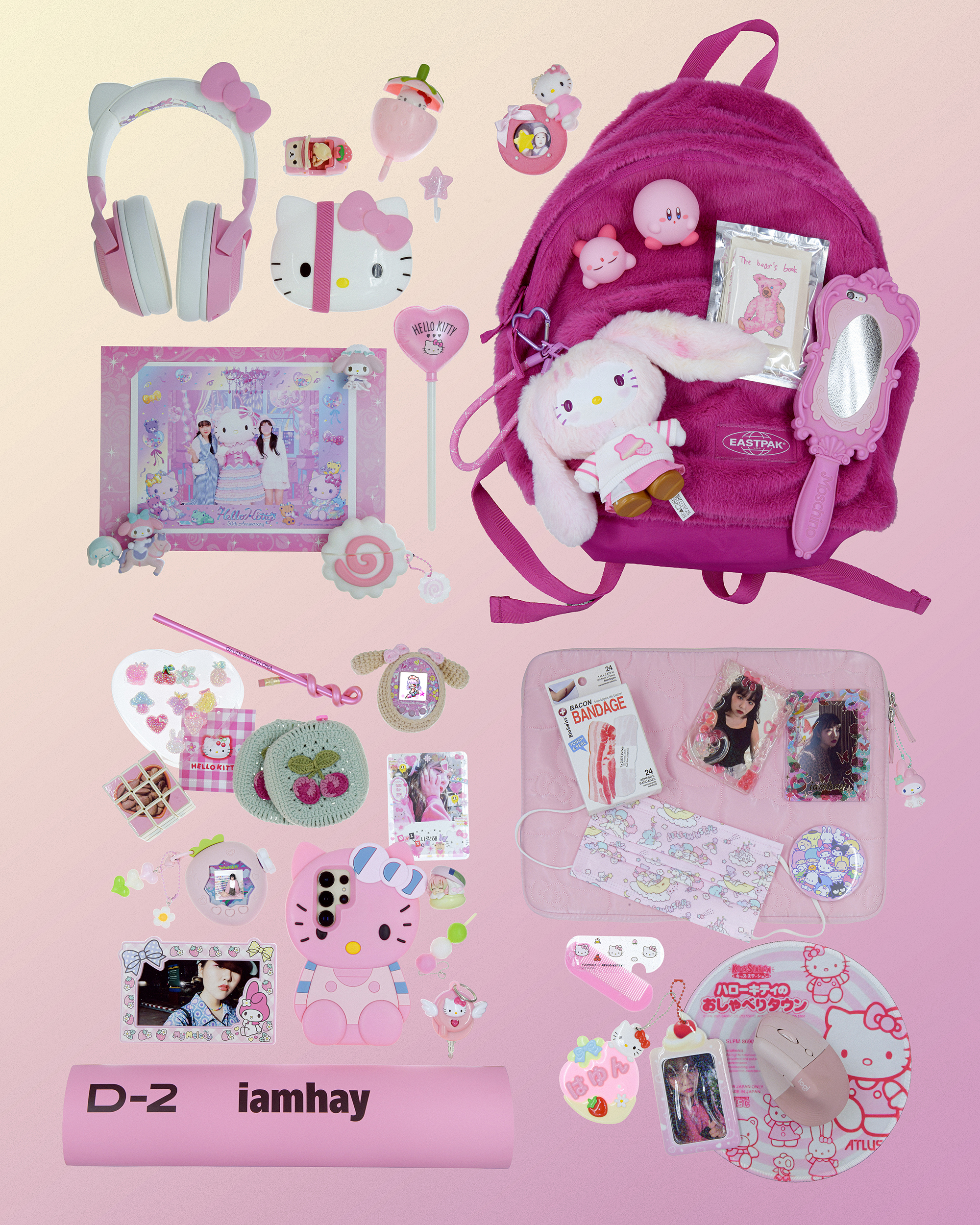
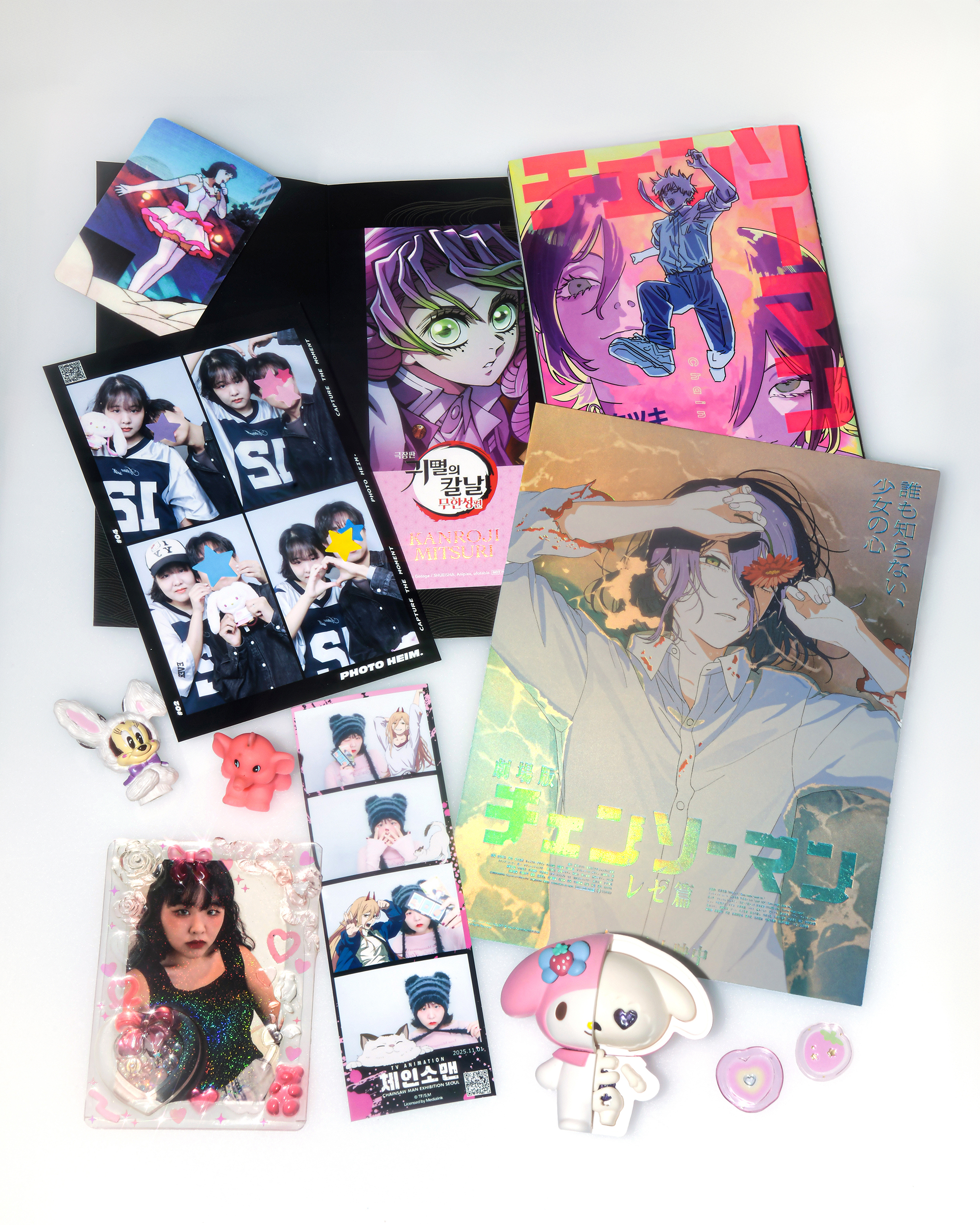
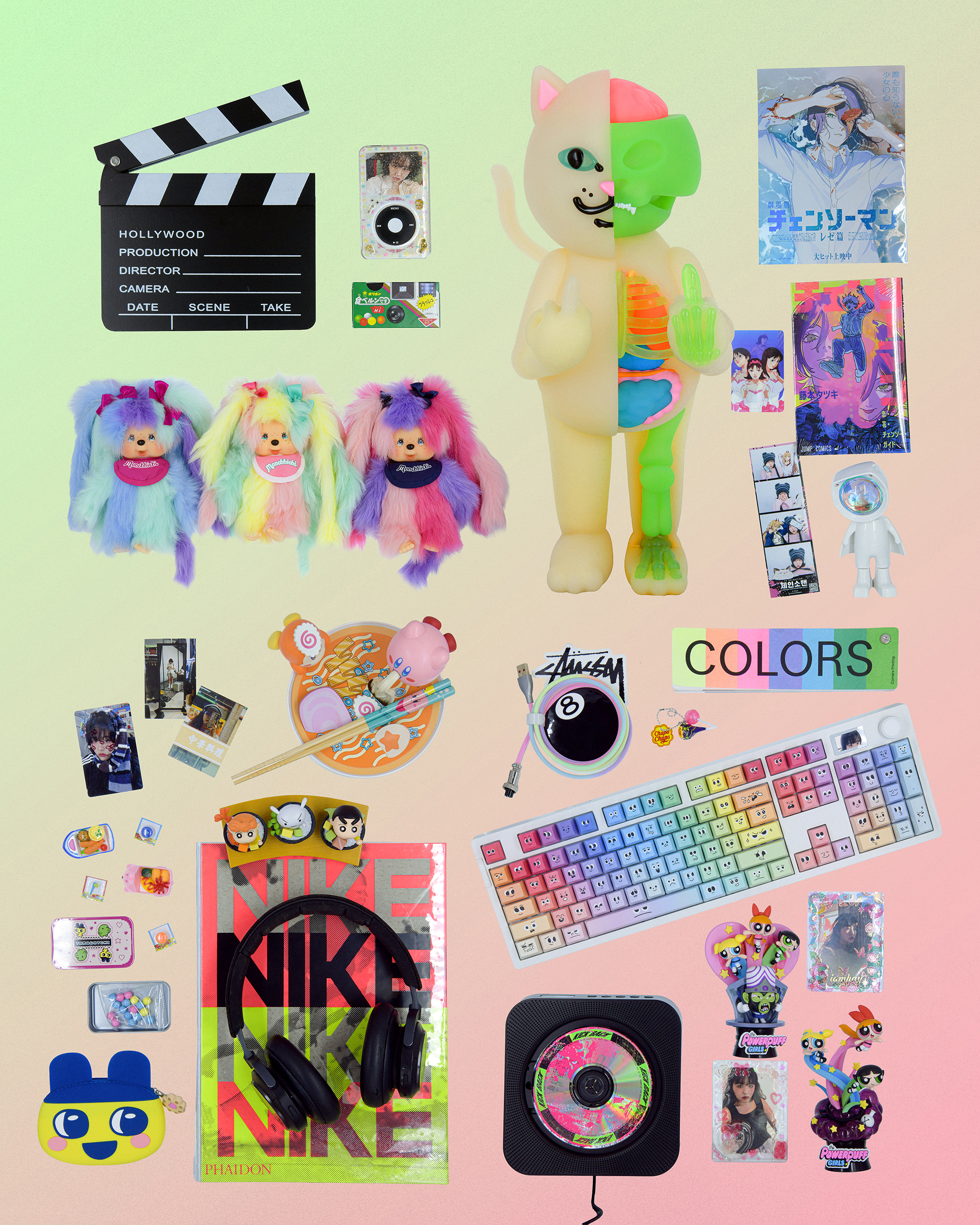
Pretty, Please! is a photographic inquiry into the subtle, often overlooked dynamics that shape our desire to be seen — not merely looked at, but truly noticed. In this project, the familiar imperative “pretty please” is refracted through the language of images: a gesture at once intimate and performative, polite yet urgent, asking not just for attention but for permission to exist within another’s gaze.
At the core of my practice is the notion that photographs are not passive mirrors of reality, but active objects — devices that shape how we understand memory, emotion, and presence. With Pretty, Please!, I extend this exploration into the realm of social negotiation: how do we, as makers and subjects of images, navigate between vulnerability and assertion, between the polished surface and the unspoken context?
This series is rooted in an investigation of visibility — in both its allure and its cost. The phrase “pretty please” carries with it a coded tension, a blend of sweetness and insistence that echoes our collective choreography around beauty, consent, and approval. By framing this phrase within photographic practice, the work asks: What are we willing to show? To hide? To amplify? And, perhaps more crucially, who decides? Images become arenas where these negotiations play out, where the polite request becomes layered with power, expectation, and desire.
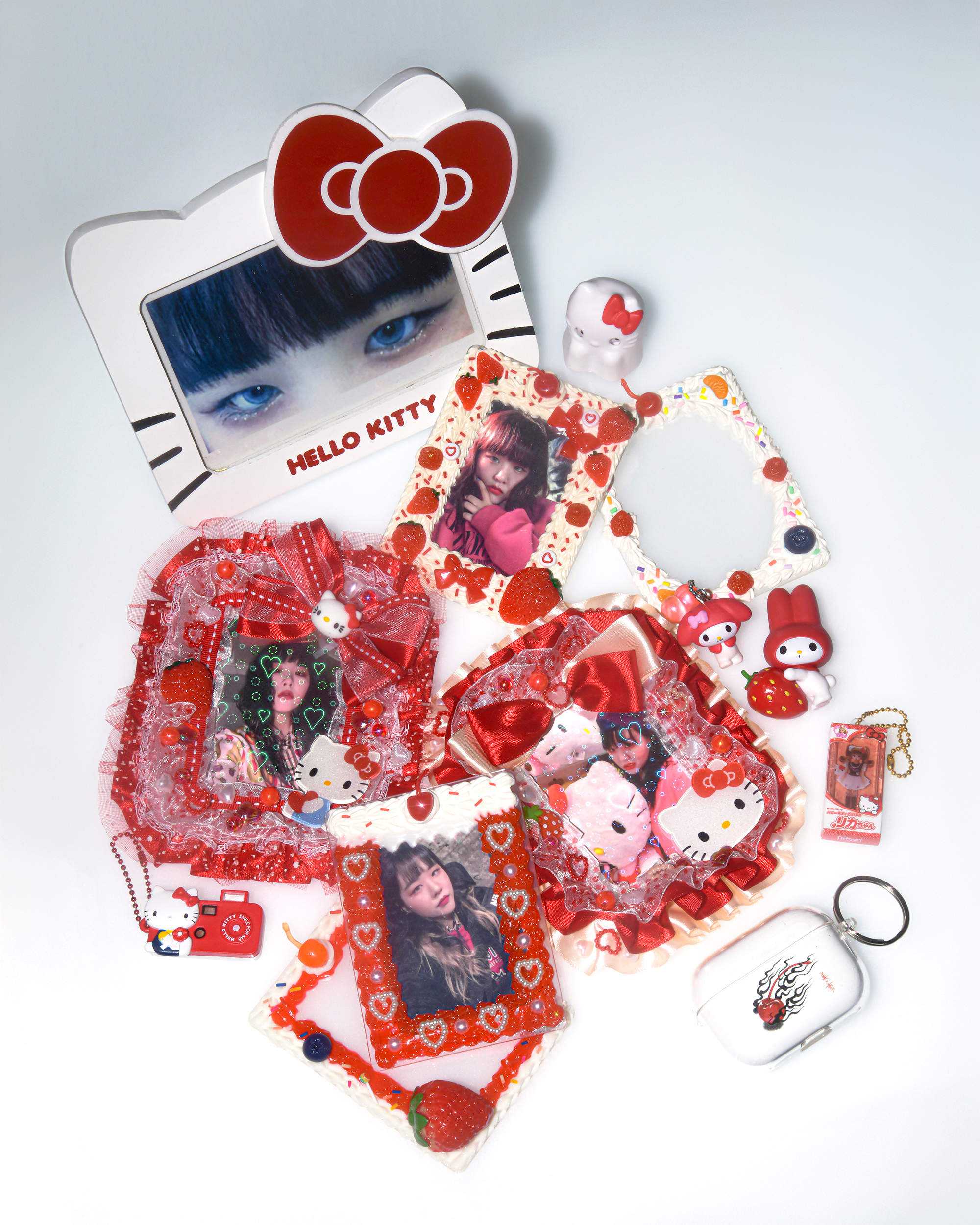
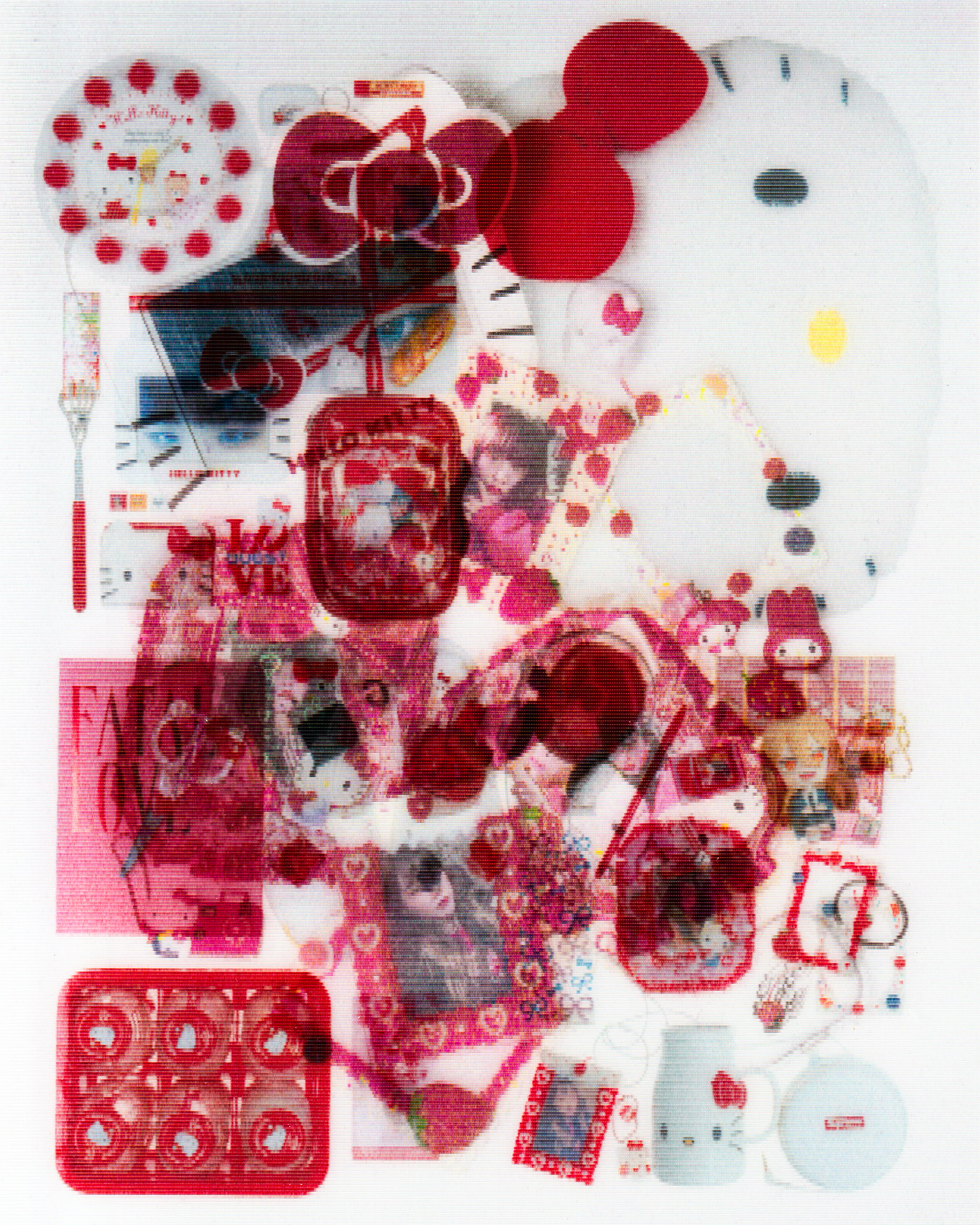
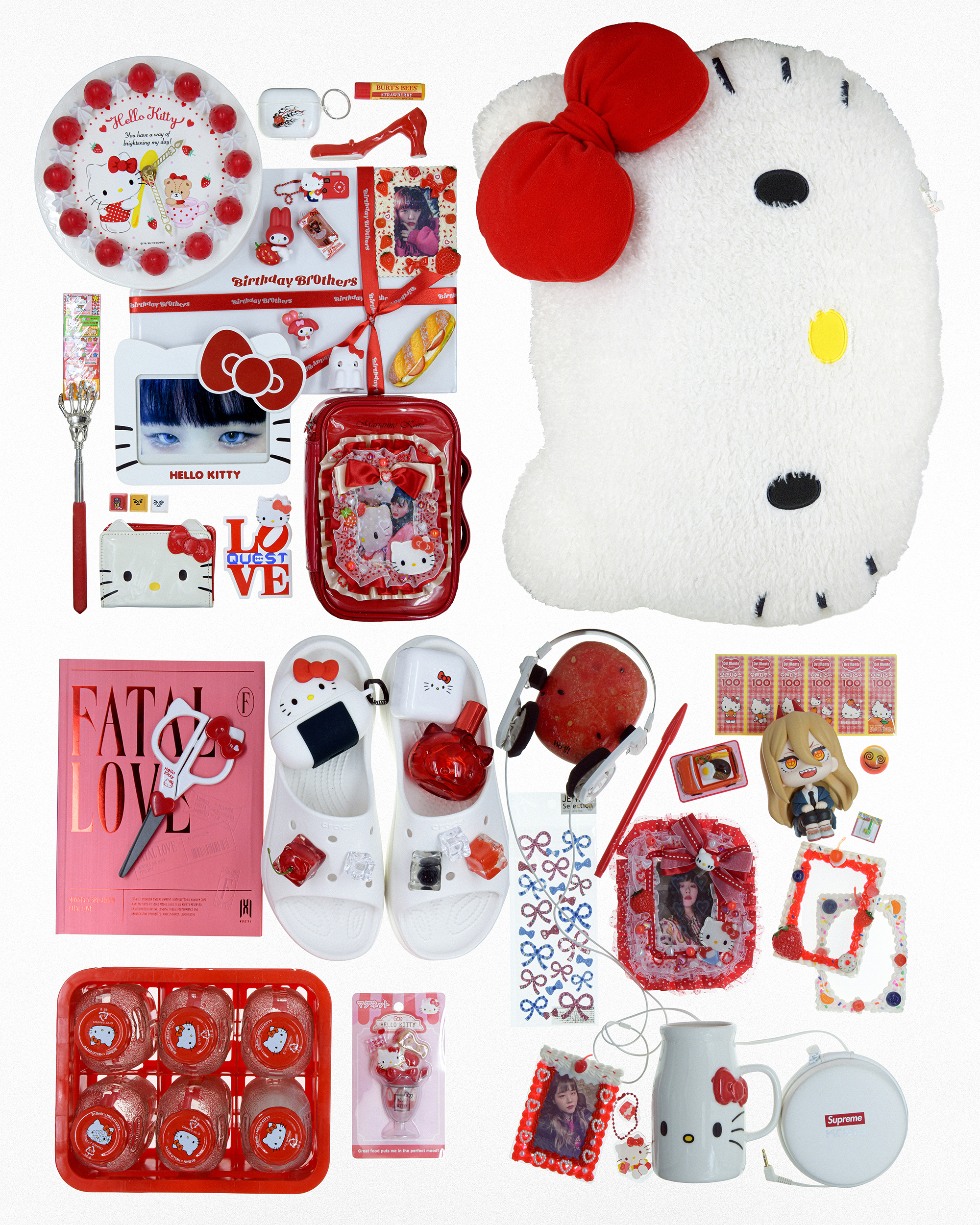
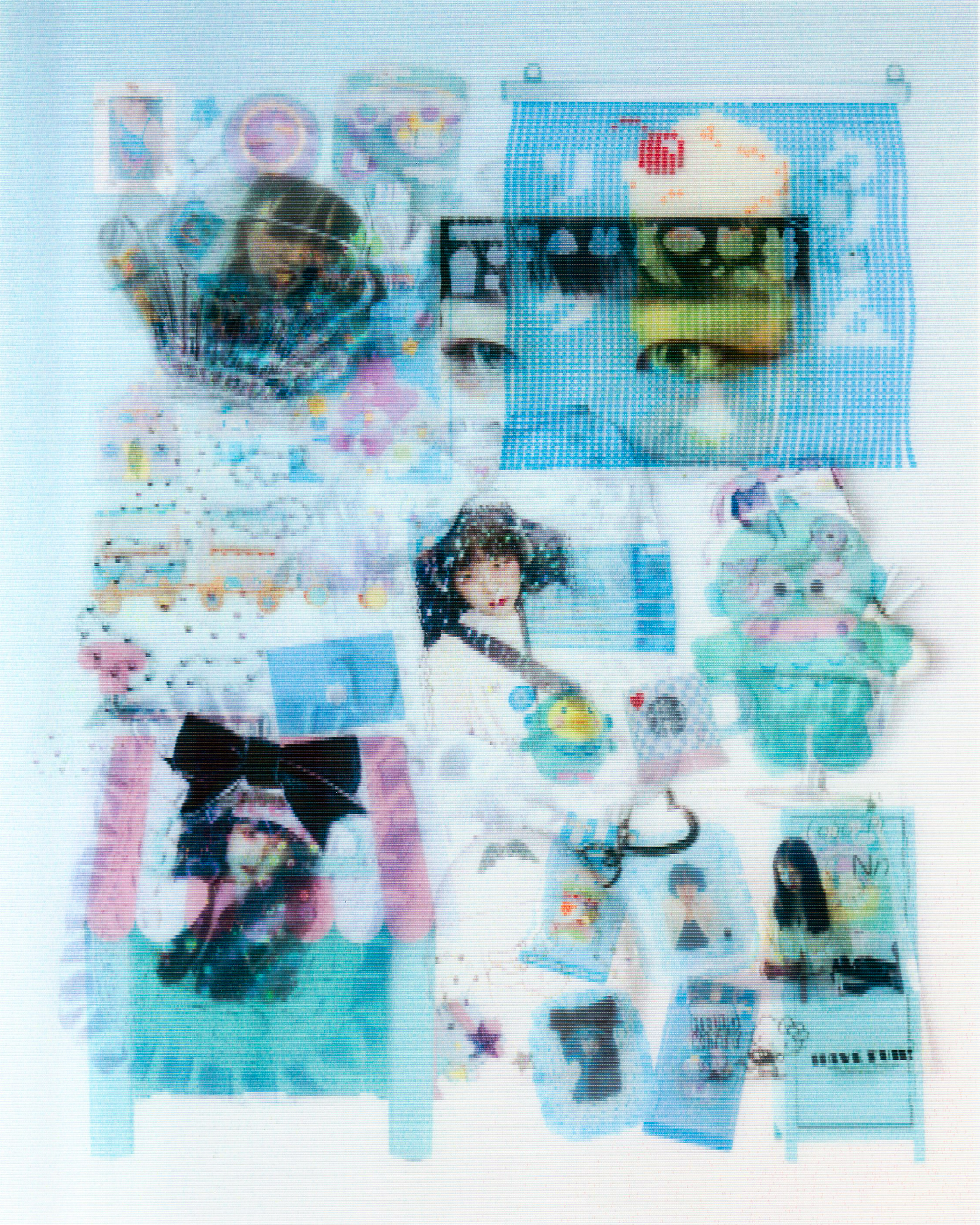
Drawing from my background in design and my broader artistic inquiry into the relationships between people, objects, and images, this project rejects the notion of photography as mere documentation. Instead, each image serves as a site of interaction — between subject and viewer, between surface and depth, between intention and interpretation. The aesthetic gestures in the work — composition, framing, texture — are deliberate: they invite the viewer closer while also signaling the impossibility of a neutral gaze.
Pretty, Please! inhabits a space between invitation and assertion. It is playful but not unserious; tender but not naive. It acknowledges the politics embedded in every image we make and receive, and it asks us to reflect on our own roles within that exchange. In a culture inundated with visual communication, this project considers how images do more than reflect — they mediate desire, shape identity, and construct meaning.
Ultimately, Pretty, Please! is an exploration of the vulnerabilities we share when we offer ourselves to the world through images, and the subtle negotiations inherent in that offering. It is an attempt to see — and to be seen — with both clarity and complexity.
![]()